
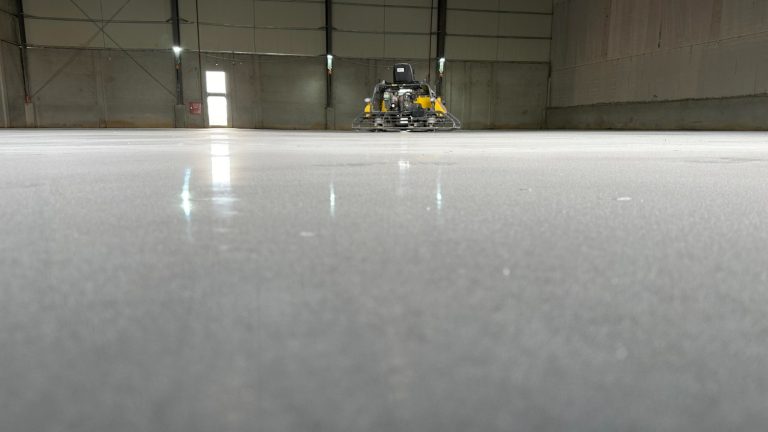
Winter in Michigan means freezing temps, messy roads, and a few extra challenges for your garage. We’ve had plenty of homeowners ask whether garage floor epoxy services can still be done in the colder months. The short answer is yes, but how it happens and what you can expect does look a little different in winter. Since cold weather can be tough on concrete, it’s a good time to answer the most common questions about how this work actually comes together when snow is on the ground.
People are often surprised to hear that epoxy coatings can be applied successfully when it’s cold out. Temperature does play a role in how the materials behave, especially during the curing process. If a floor or room isn’t warm enough, the coating may not bond the right way or could take too long to fully cure. That’s why the main focus during a winter install is making sure the space stays warm and dry during application.
• Most garages hold some level of heat, and that helps a lot
• Pros often bring in portable heaters or curing blankets when needed
• Cold-weather-rated products work better in low temps and set correctly when applied properly
The timing and prep make all the difference here. As long as the surface is clean and warm enough, the work can move ahead like any other time of year. The goal is to get that strong, even finish without cold weather messing it up.
GP Concrete Coatings uses professional-grade epoxy and polyaspartic products that are engineered to cure at lower temperatures, giving Michigan homeowners flexibility to protect their floors even in winter. Their installation crew uses digital thermometers and moisture meters to confirm best-case curing conditions before application starts.
It’s natural to think spring would be the easiest time to coat a garage floor, and many people do wait. But winter actually offers a good opportunity too. Each season has its pros and cons.
• Winter installs are easier to schedule since fewer people are booking them
• Snow, salt, and moisture can wear down an uncoated floor fast during winter
• Coating before spring helps stop that damage from building up
Some people wait simply because it feels like something to tackle in warmer weather. But by then, the damage may already be done. Cracks can grow, stains can set in, and spring schedules get tight. Winter may feel like an offbeat choice, but for many, it ends up being a smart one.
Another common question is whether the job takes longer when it’s cold. The answer is, it might, but not always. The temperature does affect how long the floor needs to dry and cure, but professionals work around that without slowing the whole process down much.
• Winter jobs often include extra time for heating before and after application
• Drying can take longer if the space isn’t warm enough
• Good prep and planning help keep the schedule on track
GP Concrete Coatings works to minimize downtime. They recommend 24 hours for light use and 48 hours for full vehicle traffic, even in winter, thanks to the fast-curing properties of their polyaspartic topcoats.
Most winter installs only need an extra day or two of flexibility. By prepping the space well and monitoring the warmth, the overall timing still stays pretty close to what it would be in spring or summer.
Getting your garage ready doesn’t mean turning it into a construction zone. Just a few basic steps go a long way in making things move smoothly. Again, it’s not about doing the job yourself but about giving the crew a clear and workable space.
• Clear out as many items from the floor as possible so nothing’s in the way
• Make sure a power source is available for tools or heaters
• If snow or water has come in, get the space as dry as you can before the crew arrives
Winter brings extra moisture, so keeping the floor dry is a big help. A dry surface makes for better adhesion and cleaner work, even before the first coat goes down.
The short answer here is yes. Epoxy coatings are made to be tough, and when applied properly, they hold up well through Michigan’s messiest winter days. The real trick is getting them down before the salt, snow, and slush have a chance to cause damage.
• Epoxy stands up well to snow, ice, and everything your tires track in
• Salt doesn’t eat through the coating like it does bare concrete
• A finished surface is easier to clean and stays safer underfoot
With a 15-year residential warranty, GP Concrete Coatings gives homeowners peace of mind that their investment is protected against the repeated freeze-thaw cycles and deicing salts common to Michigan's winter months.
Instead of letting another season of snow and grime eat into the floor, coating now offers solid protection for what’s ahead. The finish doesn’t break down just because it’s cold out. In fact, starting in winter means the floor is already protected long before spring arrives.
Scheduling garage floor epoxy services during winter may not be the first thing that comes to mind, but for Michigan homeowners, it often turns out to be the right choice. You avoid the last-minute spring scramble, keep salt damage from getting worse, and step into the warmer season knowing your garage floor is already prepped and sealed.
By acting early, you give the floor a head start. And instead of playing catch-up come March or April, you're already set. Snow, water, and grime may stick around for a while, but your floor doesn't have to suffer because of it.
Now is a great time to protect your garage before winter brings cold-weather damage. We know how fast snow and salt can wear down bare concrete, and waiting until spring could mean dealing with more cracks and stains. Our team works year-round to help homeowners across Michigan get clean, sealed floors that last through the seasons. To see how our garage floor epoxy services can fit your space and timing, contact GP Concrete Coatings today.